
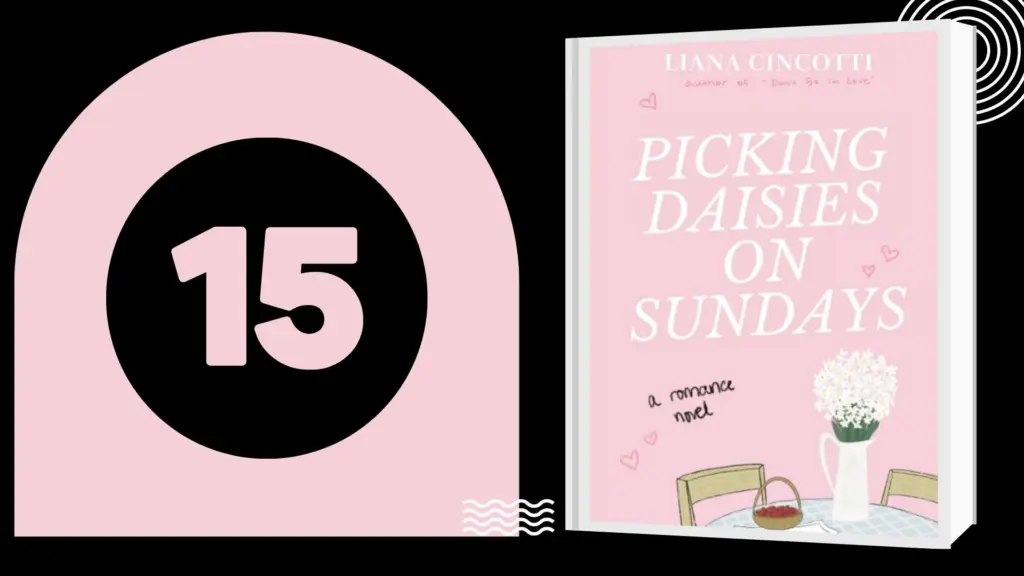
When it comes to comfort reads that mix sweetness with heart, Liana Cincotti’s Picking Daisies on Sundays has quietly blossomed into one of the most talked-about indie romance releases of the past year.
Warm, slow-burn, and refreshingly clean, the novel captures the feeling of coming home — emotionally and literally — while exploring love, loss, and the messy in-between stages of growing up. But as the book continues to spread through TikTok and college book clubs, many readers are asking: what’s the right age to read it?
Here’s a look at its story, tone, and what parents or readers should know before adding it to their bookshelf.
Storyline: A Fake Relationship That Feels Real
At first glance, Picking Daisies on Sundays sounds like your classic “friends-to-lovers” rom-com — and it is, but with a surprising amount of depth.
The story follows Daniella “Daisy” Maria, a college senior who has always been a hopeless romantic. She’s ambitious but uncertain, caught between who she used to be and who she’s becoming. When her childhood best friend Levi Coldwell — the boy she’s secretly loved for years — suddenly returns and asks her to be his fake girlfriend for his sister’s wedding, Daisy reluctantly agrees.
The setup promises humor and nostalgia, but what follows is a story of rediscovery. Through awkward dinners, unspoken feelings, and emotional flashbacks, Daisy and Levi are forced to face their past and decide whether what they had as kids can survive the chaos of adulthood.
It’s not just a romance — it’s about forgiveness, self-worth, and finding your voice when you’ve been quiet for too long.
Tone and Themes
Cincotti’s debut stands out in a crowded romance market because of its sincerity. It’s gentle, funny, and tender, but never shallow.
Readers describe it as “a clean, non-spicy love story with real emotional growth.” One TikTok reviewer summed it up perfectly:
“If you want something slow, comforting, and emotional — this is for you. There’s romance, but also real life.”
Recurring themes include:
- Friendship evolving into love
- Dealing with grief and personal loss (both Daisy and Levi have lost parents)
- The fear of change after college
- Letting go of insecurities and embracing self-confidence
The book also celebrates nostalgia — quiet Sundays, shared jokes, and growing up alongside someone you love. Despite being a romance, it’s as much about healing as it is about falling in love.
Picking Daisies on Sundays Age Rating and Content Guide
Picking Daisies on Sundays is best suited for ages 15 and up.
Suggested Reading Age: 15+ (older teens & young adults)
Here’s why:
Romantic Content
- The relationship is deeply emotional and affectionate, but non-explicit.
- Multiple readers call it “non-spicy” or “fade-to-black.”
- Physical affection (kissing, cuddling) is shown, but there are no graphic sexual scenes.
Language
- Language is mild. Occasional casual profanity (e.g., “hell,” “damn”), but no strong or offensive swearing.
- Dialogue feels natural for college-aged characters but stays clean compared to most new adult romances.
Emotional Themes
- Moderate emotional weight: loss of parents, identity, and fear of change.
- Daisy’s anxiety and grief are touched on gently but realistically.
- There’s no self-harm, abuse, or suicide content — just reflective sadness and growth.
Substance Use
- Mild: characters occasionally attend college parties or mention drinking, but it’s not glorified.
- No drug use or substance-heavy scenes.
Violence
- None. The emotional tension drives the story, not physical conflict.
Who Should Read It (and Who Might Wait)
Ideal for:
- Teens aged 15–18 who enjoy mature yet clean romance.
- College students or recent graduates who relate to transitional life stages.
- Parents or educators looking for a wholesome romance recommendation without sexual content.
- Adult romance readers wanting a cozy, low-stakes love story.
Those who might wait:
- Younger teens (13–14) who prefer high school–based stories — this one features adult characters in their 20s.
- Readers expecting “spicy” or explicit romance.
- Fans of fast-paced drama or thrillers — this book moves slowly and emotionally.
Reader Reactions Across Platforms
Goodreads Rating: ★★★★☆ (4.4 average from 50,000+ ratings)
Amazon Reading Age: 15–18 years
Genre Tags: “Romance,” “Contemporary,” “Clean Romance,” “Friends to Lovers,” “Fake Dating”
Here’s what readers say:
- Reddit (r/booksuggestions): “Looking for romance that isn’t too explicit — Picking Daisies on Sundays was perfect. Slow, cute, and clean.”
- Lemon8 (BookTok excerpt): “Perfect for cozy readers who want the feeling of sunshine in a book.”
- Eya’s Book Nook Review: “This book feels like a hug. A slow, tender love story about forgiveness and growing up.”
Across platforms, the consensus is that Picking Daisies on Sundays is safe for teens and refreshing for adults who prefer emotional connection over physical detail.
Editor’s Note
What makes Picking Daisies on Sundays so resonant is how it balances sweetness and sadness. Daisy isn’t just falling in love — she’s rebuilding herself after loss. Cincotti captures this with quiet maturity and honesty.
The pacing is slow and reflective, almost cinematic — more “comfort movie” than “page-turner.” There’s charm in every detail: the nostalgic flashbacks, awkward dinners, garden metaphors, and quiet Sunday mornings that echo the book’s title.
This isn’t about big declarations or heartbreak — it’s about the courage to love again, softly.
| Category | Rating | Description |
|---|---|---|
| Recommended Age | 15+ | Ideal for older teens & young adults |
| Sexual Content | Low | Non-explicit, clean romance |
| Language | Mild | Light profanity, conversational |
| Violence | None | Emotional tension only |
| Substance Use | Minimal | Light social drinking |
| Emotional Depth | Moderate | Grief, love, forgiveness |
Picking Daisies on Sundays earns its place among the best “clean-but-emotional” romances of the decade. It’s gentle enough for teens, meaningful enough for adults, and heartfelt enough to make anyone believe in slow love again.
For parents and educators, it’s an easy recommendation — a safe, emotionally intelligent choice that proves romance can be wholesome without being dull.